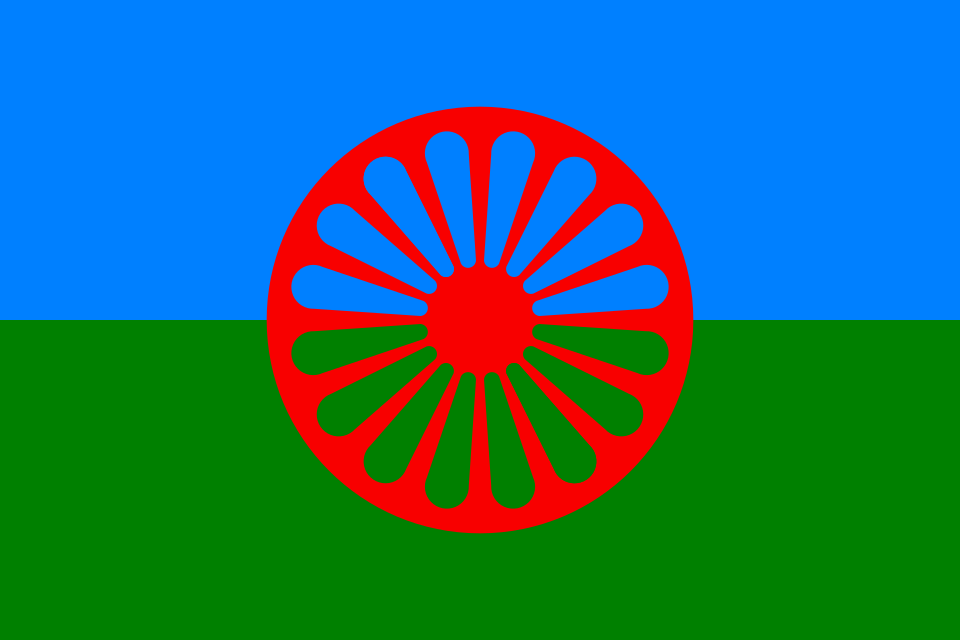
Settling across the continent, Roma communities developed rich and distinct regional cultures. In Iberia the Gitanos gave the world flamenco; in the Balkans, brass and festival traditions flourished; in Hungary and Romania, violin and cimbalom ensembles defined national soundscapes; and in the west, Sinti and Manouche communities produced gypsy jazz.
These communities share a common origin but not a single story — each shaped by its host society, its language contact, and its own history of welcome and persecution. Together they form one of Europe’s largest and oldest transnational minorities.
Sources & further reading: Council of Europe state-by-state history factsheets, Europeana and Wikipedia.
Gallery
40 openly-licensed images
Images via Wikimedia Commons — openly licensed (CC / public domain). Click any image to view full-size; source & licence shown below.
Iberia
The Gitanos and the birth of flamenco.
Balkans
Brass traditions and vibrant festival culture.
Central Europe
Violin and cimbalom ensembles of Hungary and Romania.
Western Europe
Sinti and Manouche communities and gypsy jazz.
Be part of the network
Join as an artist, post a talent request, or explore the community.