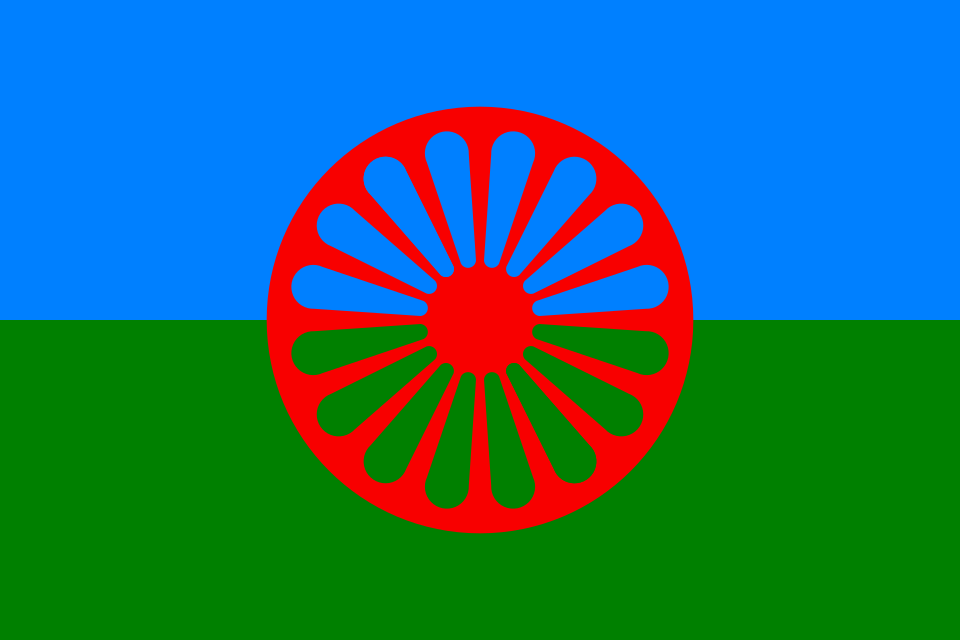
By the late Middle Ages, Roma communities had reached the Balkans and Central Europe, and over the following centuries they spread across the whole continent and beyond. Their paths diverged sharply: settlement and integration in some places, exclusion, enslavement (notably in the Romanian principalities) and expulsion in others.
Through all of it, communities preserved language, music and family structure with remarkable resilience. The twentieth century brought the catastrophe of the Porajmos — the Nazi genocide in which hundreds of thousands of Roma and Sinti were murdered — a history central to any honest account of the Roma in Europe.
Sources & further reading: Council of Europe Roma history factsheets and Wikipedia.
Gallery
40 openly-licensed images
Images via Wikimedia Commons — openly licensed (CC / public domain). Click any image to view full-size; source & licence shown below.
Into Europe
Arrival in the Balkans and Central Europe by the late Middle Ages.
Settlement
Diverse and often difficult trajectories across nations and centuries.
Resilience
Language and music preserved through hardship and persecution.
Remembrance
Honouring the Roma Holocaust (Porajmos) and its survivors.
Be part of the network
Join as an artist, post a talent request, or explore the community.